Clés d’un développement végétatif solide et équilibré
L’enracinement et le débourrement figurent parmi les phases les plus déterminantes du cycle cultural. Leur bonne conduite conditionne la capacité d’absorption des nutriments, la vigueur de la plante et, au final, le rendement et la qualité de la récolte.
Une plante dotée d’un système racinaire puissant et d’un débourrement homogène, bien synchronisé, se trouve mieux préparée à faire face aux stress et à valoriser efficacement les ressources disponibles.
Qu’est-ce que l’enracinement, et pourquoi est-il si important ?
L’enracinement correspond au processus par lequel la plante développe et renforce son système racinaire. Un enracinement efficace permet:
une absorption accrue de l’eau et des nutriments ;
un meilleur ancrage dans le sol;
une tolérance renforcée aux stress hydriques et thermiques ;
une croissance végétative plus uniforme.
Un système racinaire insuffisant limite le potentiel productif de la culture dès les premiers stades.
Débourrement : le démarrage de la croissance végétative
Le débourrement marque la reprise de l’activité végétative après la dormance hivernale ou à la suite d’une transplantation. Durant cette phase, la plante active :
les bourgeons ;
les nouvelles pousses ;
la croissance foliaire.
Un débourrement homogène et bien synchronisé est essentiel pour :
équilibrer la croissance ;
favoriser une floraison uniforme ;
optimiser la production à venir.
Facteurs qui influencent l’enracinement et le débourrement
Conditions du sol
structure adaptée ;
bon drainage ;
disponibilité des éléments nutritifs ;
activité biologique.
État physiologique de la plante
réserves accumulées ;
état sanitaire ;
stress antérieurs.
Conduite agronomique
fertilisation équilibrée ;
irrigation adaptée ;
utilisation de biostimulants et de correcteurs nutritionnels.
Une gestion rigoureuse de ces phases initiales se répercute directement sur l’évolution ultérieure de la culture.
Nutrition et biostimulation aux stades clés
Pendant l’enracinement et le débourrement, la plante présente des besoins énergétiques élevés. Il est indispensable d’apporter :
des nutriments facilement assimilables ;
des éléments favorisant la croissance racinaire ;
des stimulateurs physiologiques qui activent le métabolisme.
L’association de la nutrition et de la biostimulation contribue à accélérer les processus naturels, sans provoquer de déséquilibres.
Bénéfices d’une optimisation de ces stades
Une gestion performante de l’enracinement et du débourrement permet :
une installation plus rapide de la culture ;
une meilleure homogénéité végétative ;
une efficience accrue des apports fertilisants ;
des plantes plus équilibrées et plus productives.
Ces gains se traduisent par une amélioration de l’efficience agronomique et de la rentabilité.
Solutions ADLER pour l’enracinement et le débourrement
Chez ADLER, des solutions spécifiques sont développées pour accompagner les cultures durant ces stades clés, en associant nutrition avancée et biostimulation.
Le portefeuille inclut des produits conçus pour :
stimuler le développement racinaire ;
soutenir le débourrement et la croissance initiale ;
améliorer l’absorption des nutriments ;
aider la plante à surmonter les conditions de stress.
Ces solutions sont destinées à s’intégrer aux programmes de fertilisation habituels, avec une adaptation aux cultures et aux systèmes de production.
Quand appliquer les produits dédiés à l’enracinement et au débourrement
Les applications sont généralement recommandées :
après la transplantation ;
au démarrage du cycle végétatif ;
lors de la reprise post-hivernale ;
en situation de stress ou durant la phase de récupération.
Le positionnement et la stratégie d’application doivent être ajustés à chaque itinéraire technique.
Conclusion
L’enracinement et le débourrement constituent des étapes décisives pour la réussite d’une culture. Une conduite nutritionnelle et physiologique maîtrisée à ces moments établit les bases d’un développement équilibré et d’une production efficiente.
Investir dans des solutions spécifiquement conçues pour ces stades, c’est favoriser des cultures plus vigoureuses, plus homogènes et plus productives dès le départ.
Vous souhaitez optimiser l’enracinement et le débourrement de vos cultures?
Découvrez les solutions ADLER conçues pour accompagner les cultures aux stades clés et optimiser le développement dès le début.
En savoir plus : https://adleragro.com/.
Questions fréquentes sur l’enracinement et le débourrement
Pourquoi un enracinement puissant est-il si important?
Parce qu’il conditionne la capacité d’absorption de l’eau et des nutriments, avec un impact direct sur la vigueur et la productivité.
Que se passe-t-il si le débourrement n’est pas homogène?
Un débourrement irrégulier peut entraîner des déséquilibres de croissance, une floraison hétérogène et une baisse du rendement final.
Peut-on améliorer ces stades avec des produits spécifiques?
Oui. L’utilisation d’engrais adaptés et de biostimulants contribue à activer les processus physiologiques naturels de la plante.
Quel est le meilleur moment pour appliquer des produits d’enracinement?
Généralement après la transplantation, au début du cycle végétatif, ou lors de périodes de stress racinaire.
Ces solutions conviennent-elles à toutes les cultures?
Il existe des solutions adaptées à différents types de cultures et systèmes de production ; il est recommandé d’ajuster la stratégie au contexte agronomique.
ORTIMAX, your biocontrol tool against the aphid plague in the apple tree.
The apple aphid is a common pest in apple orchards and can cause significant damage to trees and their fruit production. These sap-sucking insects feed on the leaves and young stems of the tree and, if left unchecked, can weaken the tree and reduce the quantity and quality of the fruit.
Apple aphids are small, soft-bodied insects and can vary in color from light green to dark brown or black. They reproduce quickly and can form colonies in large numbers in a short amount of time. Additionally, apple aphids can transmit diseases through their saliva, which can cause diseases and deformations in the leaves and fruit of the tree.
There are several ways to control and prevent apple aphid infestations in apple trees. One of the most effective measures is the introduction of natural predators such as ladybugs and parasitic wasps. These insects feed on the apple aphids and help to reduce their population.
Specific insecticides can also be used to control apple aphids, but it is important to note that some of these products can be harmful to other beneficial insects and animals. Therefore, it is recommended to carefully read the product instructions and follow appropriate safety guidelines.
Additionally, it is important to maintain a clean and well-cared-for orchard by regularly removing dead and diseased leaves and branches. This helps to reduce the number of places where apple aphids can hide and reproduce.
In summary, the apple aphid is a common pest in apple orchards, but there are effective measures to prevent and control their infestation. By introducing natural predators, using specific insecticides, and maintaining a clean and well-cared-for orchard, it is possible to prevent these sap-sucking insects from damaging trees and their fruit production.
In this sense, the use of other agricultural biocontrol products such as ORTIMAX is recommended, which are safe for the user and respectful of the environment and auxiliary fauna.
· Coumarins stop the pest from feeding · Formic acid creates a corrosive environment that inhibits the respiratory mitochondrial chain of insects · Benzoic acids and other volatile acids have a strong repellent action
ORTIMAX present also a fungicide action against Alternaria, Botrytis, Mildew, and others due to its Silice content
ADVANTAGES
• Reinforce the natural defense mechanism of plants • Acts as a fertilizer or as a plant stimulant • Rich content of secondary elements such as S, Si and Mg and other microelements such as Fe and Mn • Better caliber and quality of fruits • Farmer could reduce plant protection products usage • 100% organic and zero residue product • Safe for the user and environmentally friendly • Its inclusion in resistance management strategies is very useful
TRIALS
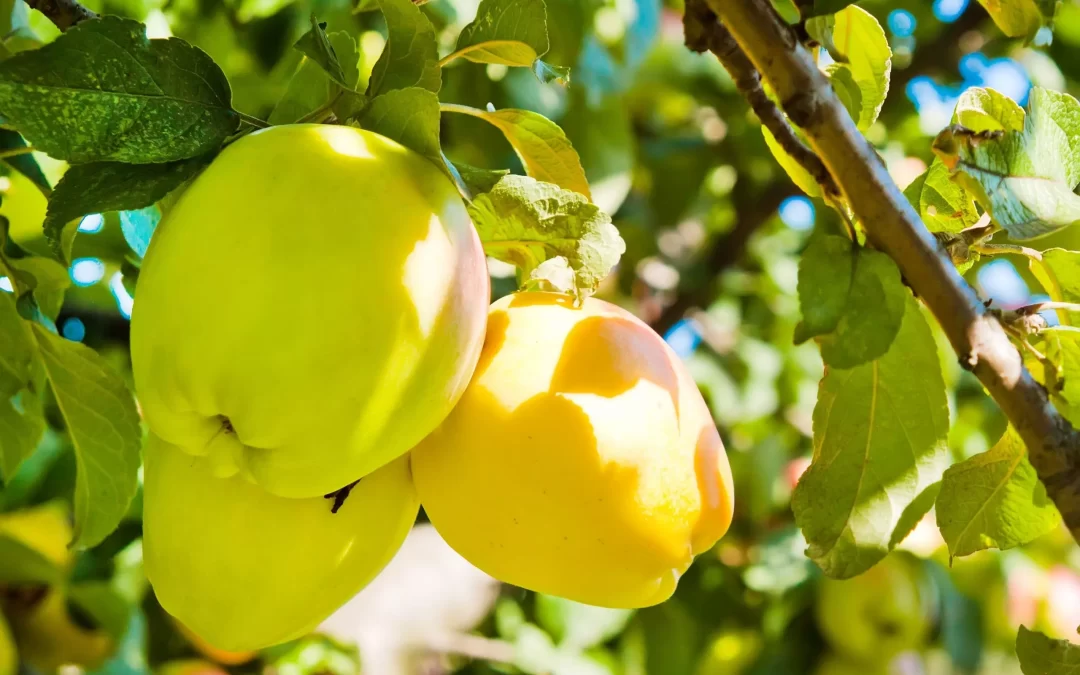
In a trial carried out by ADLER on a Golden Delicius variety apple crop in Girona, the efficacy of ORTIMAX in controlling the apple aphid plague was verified.
RESULTS
• Apple trees treated with Ortimax present an 11% more yield regarding the control • Plants treated with Ortimax were significantly greener and healthier. Also, the apples had better caliber and quality • Six treatments with Ortimax helped keep the pest under control without needing any other plant protection product. Even the last application was expendable • Apple trees of the control treatment needed two treatments with Diazinon • Ortimax respects the auxiliary fauna. This issue explains why the growth of the pest in the case of Ortimax-treated plants is less aggressive
We launched three new agricultural biocontrol solutions on the market with the ECOCERT seal.
Biocontrol strategies are based on the use of products of biological origin for the control, prevention or elimination of any pest or disease in a crop. Either through its strict application or combined with other conventional phytosanitary products in order to reduce their quantity and slow down the appearance of resistances.
These agricultural management strategies have the following main advantages:
The highest quality of crops
Activation of the natural defense mechanism of plants
Farmer could reduce plant protection products usage
100% organic and zero residue product
Safe for the user and respectful with the environment
Its inclusion in resistance management strategies is very useful
Low risk of phytotoxicity
Guarantee of healthy and safe food
In this sense, ADLER AGRO makes three new agricultural biocontrol solutions available to farmers to help them obtain high yields in a safe, sustainable and respectful way with the environment and the population.
Chitomax is a solution based on Chitosan Hydrochloride approved as a basic substance according to article 23 of Regulation (EC) No. 1107/2009.
It is a 100% natural and fully biodegradable product, made exclusively from natural extracts of high-density chitosan (derived from chitin of crustacean origin).
In the following link you can obtain more information about CHITOMAX
Equimax is a solution based on horsetail decoction approved as a basic substance according to article 23 of Regulation (EC) No. 1107/2009.
It is a 100% natural and fully biodegradable product, made exclusively from natural extracts from the aqueous decoction of Equisetum Arvense L.
In the following link you can obtain more information about EQUIMAX
Ortimax is a nettle extract-based solution approved as a basic substance according to article 23 of Regulation (EC) No. 1107/2009.
It is a 100% natural and fully biodegradable product, made exclusively from natural extracts of Urtica Dioica.
In the following link you can obtain more information about ORTIMAX
Finally, these three agricultural biocontrol solutions have the Ecocert seal for their use in Organic Agriculture.
*These products are not sold as a plant protection product, but they are useful for crop protection.
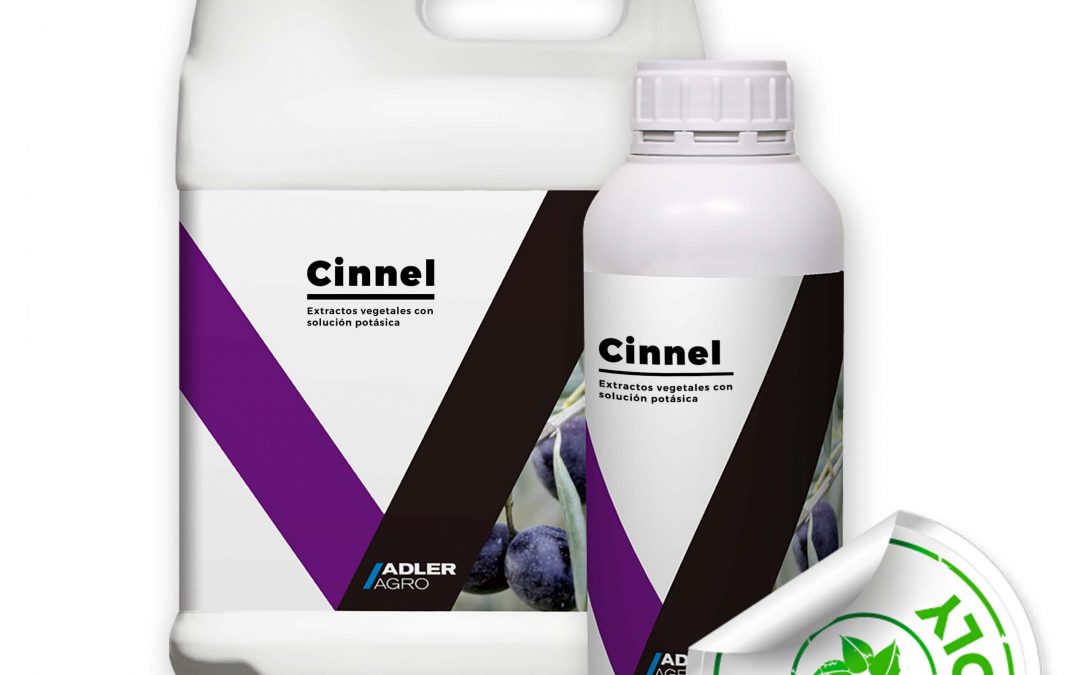
Cinnel stimulates your crop to face all kinds of vegetal stress.
The previous video shows how our product works, as well as one of the tests that have been carried out to demonstrate the effects of this product in a real application.
Cinnel is formulated based on cinnamon extract and potassium soap.
Cinnamon extract has a high drying power, which, together with potassium soap, cleans and eliminates sucking insects such as aphids or whiteflies.
Its high percentage of cinnamon extract makes Cinnelalso effective in controlling fungal diseases such as powdery mildew, causing it to reduce its activity and die.
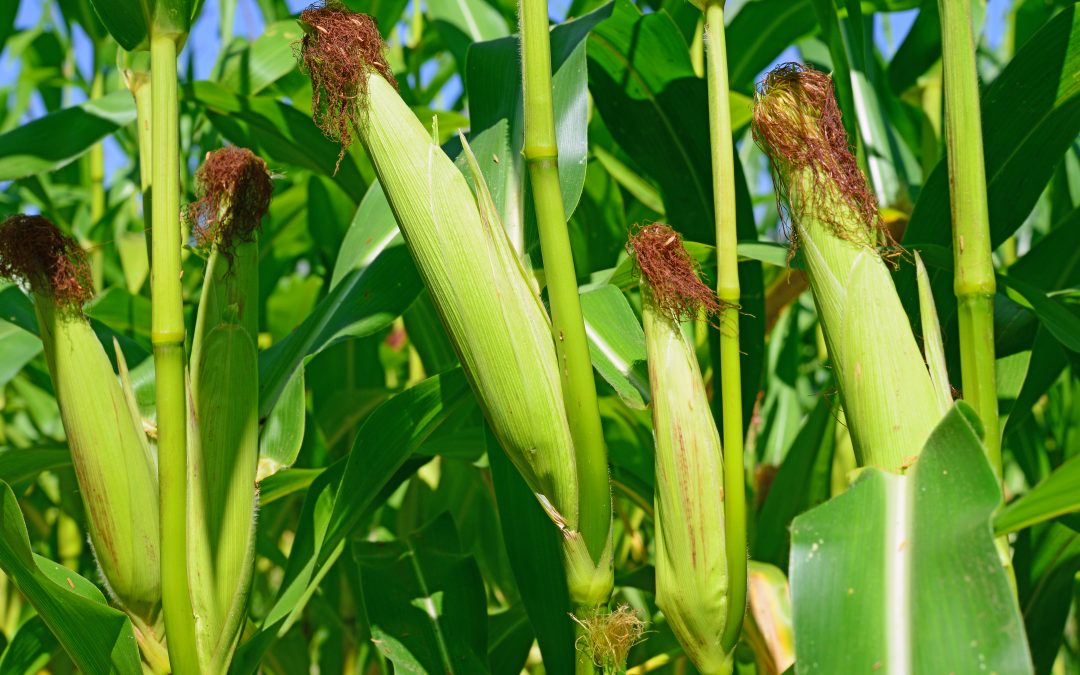
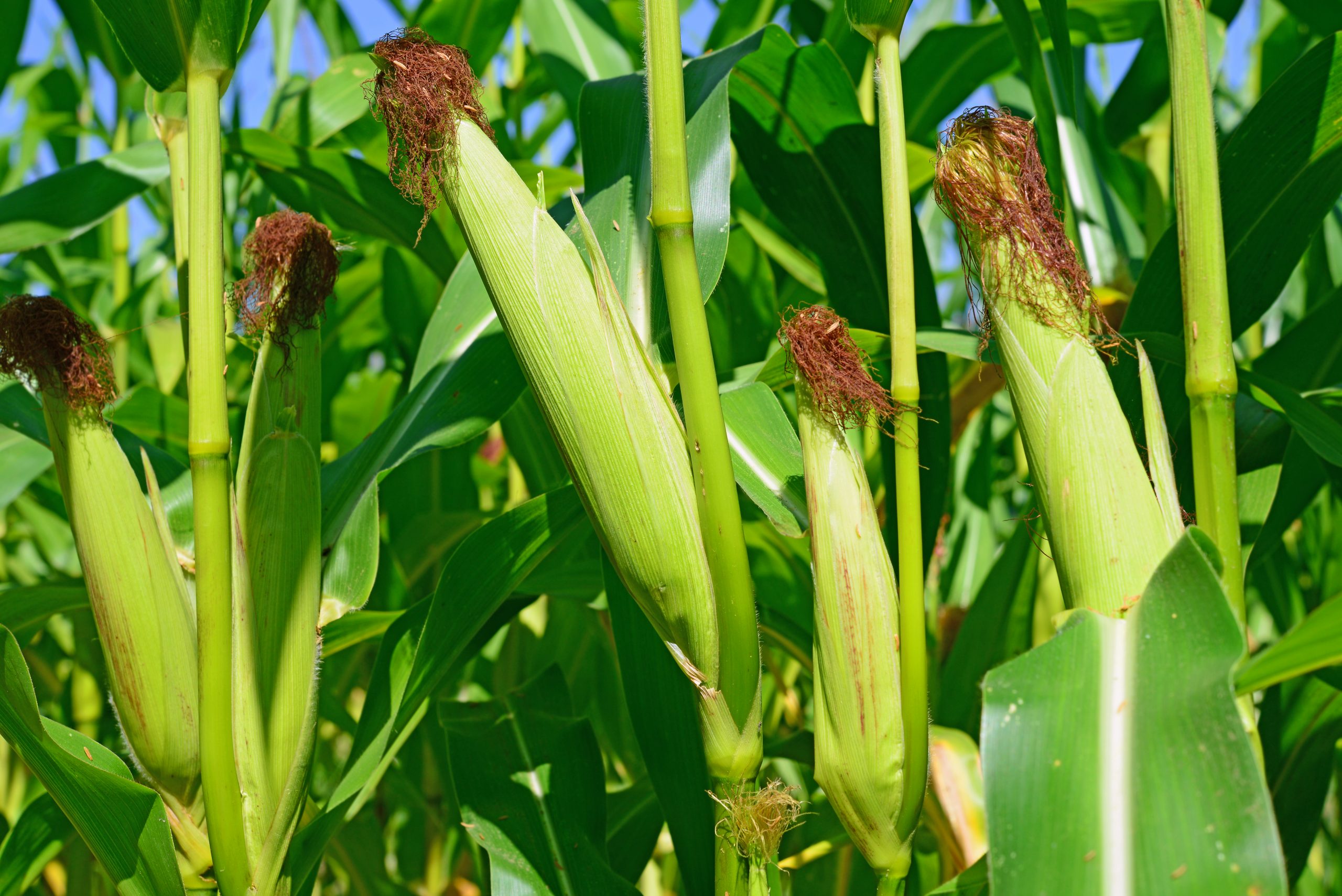
N330 Complex helps maize reach its genetic potential.
Nitrogen is a crucial element for agricultural crops and even more so in the case of corn. Its importance is based on the fact that it is a fundamental component of chlorophyll, the green pigment in plants essential for photosynthesis. On the other hand, it is one of the main components of amino acids, which function as the building blocks of plant proteins.
Nitrogen is one of the most abundant elements on earth, however, nitrogen deficiency is one of the most common problems faced by farmers. This is due to the low availability of this element in a form assimilable by plants.
In soil, Nitrogen exists in three forms, nitrate ions (NO3-), ammonium ions (NH4+) and organic Nitrogen. Organic Nitrogen is contained in organic matter in the soil, crop residues, and microbial community within the soil. While organic Nitrogen may make up most of the Nitrogen in the soil, it is not available to plants until it is converted into ammonium or nitrate ions by microorganisms through a mineralization process. This way, it can be absorbed by the plant. During the growing season, ammonium is rapidly converted into nitrate, which is known as nitrification. Nitrate is the main form of Nitrogen absorbed by the plant.
Also, although plants only require relatively small amounts of micronutrients, they are essential for plant growth. In this way, if any micronutrient deficiencies exist, critical plant functions can be restricted, resulting in plant abnormalities, reduced growth, and lower yield potential.
Each micronutrient may be involved in multiple plant growth functions, as shown in the table below.
Table. Functions of micronutrients in plant development
Plant Growth Function
Cl
Fe
Mn
Zn
Cu
B
Mo
Enzyme systems
X
X
X
X
X
Protein formation
X
X
X
X
X
Hormones and cell division
X
X
Chlorophyll formation
X
X
X
Disease resistance
X
Photosynthesis
X
X
X
N, Fe, and/or P metabolism
X
X
X
X
X
X
Crop maturity
X
Seed formation
X
X
X
Sugar/starch translocation
X
X
X
Specifically, Manganese is essential in photosynthesis, respiration and Nitrogen assimilation due to its catalytic action on forming chlorophyll and oxidation-reduction reactions in tissues. The plant absorbs it as Manganese ion Mn+2. It is a little mobile element and little available in alkaline soils. Deficiency symptoms are manifested on both young and old leaves in the form of interveinal chlorosis and the formation of necrotic spots. The corn plant is within the moderately sensitive level.
Zinc is a critical component of many enzymes and proteins and plays an essential role in growth hormone production. The plant absorbs it as a divalent ion (Zn2+) by root and foliar. It is antagonistic to Fe and phosphorus; it often synergizes with Cu and Mg. Its availability decreases in alkaline soils. The plant shows a shortening of the internodes, a typical rose-shaped appearance and small fruits. In the case of the maize plant, it is very sensitive to the deficiency of this element, it has pale green and yellow interveinal spots, sometimes white.
Copper is absorbed as a divalent ion (Cu2+), participates in the activation of enzymes, in the processes of photosynthesis and respiration, and helps in the plant metabolism of carbohydrates and proteins. Deficiencies occur in case of excess phosphorus. Moderate and acute deficiencies give visible symptoms in the apical parts of the plant although they are not as showy. Corn is moderately sensitive.
In this sense, our product N330 Complex, thanks to its high content of highly assimilable Nitrogen and the balanced content of Manganese, Zinc and Copper, specifically designed for the cultivation of corn, allows the plant to reach its genetic yield potential.
Amino 40 enhance the response against vegetal stress
Amino 40 improves the response of your crop to plant stress conditions.
The previous video shows how our product works and one of the tests that have been carried out to demonstrate the effects of this product in a real application.
Amino 40 contains a minimum of 40% free amino acids of plant origin. Amino 40 directly provides the plant with the amino acids necessary throughout its cycle. In this way, the energy produced by the plant is saved, resulting in improved quality and yield production.





Recent Comments